“参加世界杯”的英语核心表达
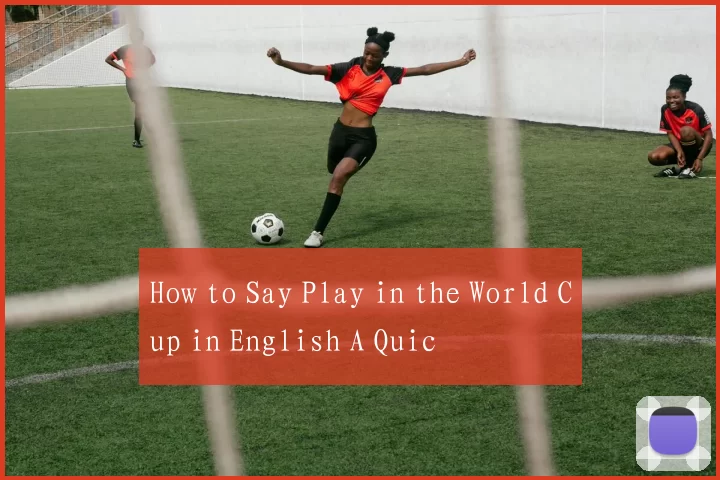
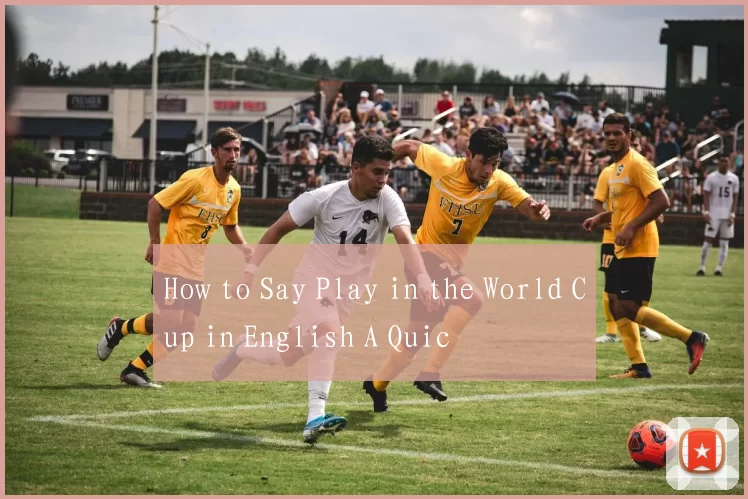
在英语中,表达“参加世界杯”这一概念,最直接、最核心的动词是 “play in”。这个短语精准地传达了“在……赛事中比赛”的参与状态。因此,最标准的说法是:“to play in the World Cup”。例如:“He dreams of playing in the World Cup for his country.”(他梦想代表他的国家参加世界杯。)这个表达适用于所有语境,无论是球员、教练还是球队,都可以使用。
不同语境下的具体用法
根据主语和强调重点的不同,“play in the World Cup”可以衍生出多种具体表达,以适应不同的叙述角度。
以球员为主语
当谈论球员个人时,除了直接使用“play in”,还可以根据其角色和成就进行更细致的描述。
- Represent one’s country at the World Cup: 强调“代表国家”的荣誉感。例如:“She is the first player from her nation to represent them at the World Cup.”
- Feature in the World Cup squad/team: 强调入选最终大名单或成为球队一员。例如:“The young striker has been named to feature in the World Cup squad.”
- Compete in the World Cup: 更侧重于“角逐、竞争”的层面。例如:“After years of training, he finally got the chance to compete on the world’s biggest stage.”
- Make an appearance at the World Cup: 常指“登场、出场”,可能特指在比赛中上场。例如:“The veteran defender made his last World Cup appearance in the final.”
以球队或国家为主语
当主语是整个球队或国家时,表达方式会略有不同,更侧重于整体参与和资格。
- Qualify for the World Cup: 这是至关重要的前置步骤,意为“获得世界杯参赛资格”。例如:“The national team has just qualified for the World Cup for the first time in 20 years.”
- Participate in the World Cup: 比较正式的用语,强调参与行为本身。例如:“Thirty-two nations will participate in the upcoming World Cup.”
- Take part in the World Cup: 与“participate”意思相近,稍显口语化。
- Be in the World Cup: 非常简洁的口语表达。例如:“Is your country going to be in the next World Cup?”
超越字面:相关短语与延伸表达
围绕“参加世界杯”这一核心事件,英语中还有一系列丰富的短语来描述其过程、状态和结果。掌握这些表达能使叙述更加生动、专业。
描述参赛过程与状态
从备战到比赛,每个阶段都有对应的地道表达。
- Head to the World Cup: 意为“前往世界杯赛场”,指球队出发参赛。例如:“The squad will head to the World Cup after a final training camp.”
- Be called up for the World Cup: 特指球员被征召进入国家队世界杯名单。
- Be on World Cup duty: 形象地表示球员正在执行世界杯的比赛任务。
- Progress to/advance to the knockout stages: 指“晋级淘汰赛阶段”。
描述成就与结果
对于球员和球队在世界杯上的表现与成就,也有特定的说法。
- Win/lift the World Cup (trophy): “赢得/举起世界杯(奖杯)”,这是终极目标。
- Be crowned world champions: “加冕世界冠军”,一种非常庄严、荣誉的表达。
- Be eliminated from/knocked out of the World Cup: “从世界杯中被淘汰出局”。
- Make a World Cup debut: “完成世界杯首秀”。例如:“The 18-year-old made a stunning World Cup debut, scoring twice.”
常见错误与语言要点辨析
在使用相关表达时,有几个常见的介词和搭配错误需要特别注意。
介词使用的准确性
英语中介词的选择至关重要,用错会显得不地道。
- Play in (Correct) vs. Play at (Often Incorrect): 对于大型赛事,通常使用“in”。说“play in the World Cup”或“play in the tournament”。“Play at”更多用于具体地点,如“play at the Maracanã Stadium”。
- Play for (Correct): 这个短语用于表示“为哪个国家或俱乐部效力”。例如:“He plays for Argentina.” 因此,你可以说“He plays for Argentina in the World Cup.”,将两个短语结合。
时态与语态的应用
根据谈论的是过去、现在还是未来的世界杯,需要准确使用时态。
- 未来愿望或目标: “He hopes to play in the 2026 World Cup.” (一般将来或不定式表达未来)
- 正在进行的赛事: “They are playing in the World Cup right now!” (现在进行时)
- 历史事实或经历: “Pelé played in four World Cups.” (一般过去时) 或 “He has played in two World Cups so far.” (现在完成时,强调经历)
在真实语境中运用
为了更直观地理解这些表达,我们将其置于几个典型的对话和新闻语境中。
新闻标题与报道
新闻英语追求简洁有力,常用短语和特定结构。
- 标题: “Local Star Eyes World Cup Call-up” (当地球星期待世界杯征召)
- 标题: “Underdogs Shock the World on World Cup Debut” (弱旅世界杯首秀震惊世界)
- 报道句子: “After a dramatic penalty shootout, the team has finally qualified for the World Cup, fulfilling the dreams of millions.”
日常对话与评论
在日常交流中,表达可以更随意、更具感情色彩。
- 朋友聊天: “Did you see that goal? He’s definitely going to play in the next World Cup!”
- 赛后评论: “Even though they were knocked out early, just being at the World Cup was a huge achievement for the team.”
- 表达羡慕: “What an incredible experience it must be to represent your country at the World Cup.”
通过掌握从核心短语“play in the World Cup”到各种延伸表达和语境应用,你能够更精准、更地道地在英语中描述这一全球瞩目的体育盛事。关键在于根据具体的主语、阶段和你想强调的重点,选择最合适的动词和搭配。